What Is RF Testing?
Radio Frequency (RF) testing is the process of measuring, analyzing, and verifying the performance of devices that transmit or receive radio signals. This type of wireless performance evaluation helps ensure devices operate efficiently, communicate reliably, and comply with industry and government standards.
As wireless communication technologies continue to expand across industries, radio frequency analysis has become a critical part of product development, engineering validation, manufacturing quality control, and regulatory compliance.
RF signals are used in a wide range of technologies, including:
• Cellular communication devices
• WiFi and Bluetooth products
• GPS systems
• IoT and smart devices
• Medical equipment
• Automotive electronics
• Aerospace and defense systems
• Digital forensic equipment
Because these devices rely on precise wireless communication, signal performance testing helps identify communication issues, interference, frequency instability, and other problems that may affect reliability or safety.
What Does RF Testing Measure?
Wireless communication testing evaluates several key aspects of device performance, including:
Signal Strength and Power Output
Measures transmitted signal levels to ensure devices operate within required specifications and maintain reliable communication.
Frequency Accuracy
Verifies that a device transmits within the correct frequency range without drifting outside designated bandwidths.
Receiver Sensitivity
Determines how effectively a device can detect and process weak incoming signals.
Bandwidth and Data Transmission
Analyzes how efficiently a device transfers data across wireless networks.
Electromagnetic Interference (EMI)
Identifies unwanted electromagnetic emissions that may interfere with nearby electronic devices or communication systems.
RF Isolation and Shielding Effectiveness
Evaluates how well shielded environments or RF enclosures block external wireless signals during engineering validation or forensic analysis.
Why Wireless Performance Validation Matters
Wireless device validation plays an essential role in ensuring products perform safely, consistently, and according to regulatory standards. Without proper evaluation, wireless systems may experience connectivity issues, signal interference, reduced performance, or compliance failures.
These testing procedures help organizations:
• Ensure reliable wireless communication
• Improve overall product performance
• Reduce interference between electronic devices
• Validate compliance with FCC, CE, and industry regulations
• Detect design or manufacturing issues early
• Protect sensitive testing environments from external wireless signals
In industries such as digital forensics, signal isolation and shielding effectiveness are especially important for protecting electronic evidence. Devices collected during investigations may remain connected to cellular, WiFi, Bluetooth, or GPS networks. Proper shielding prevents remote access, signal interference, unauthorized communication, and potential data loss during analysis.
Common Wireless Testing Methods
Several testing methods are commonly used depending on the application and device being evaluated.
Transmitter Testing
Measures output power, modulation quality, signal stability, and transmission accuracy.
Receiver Testing
Evaluates receiver sensitivity, selectivity, and the ability to process weak or noisy signals.
Over-the-Air (OTA) Testing
Tests wireless device performance in simulated real-world conditions without direct cable connections.
EMI and EMC Testing
Ensures electronic devices do not emit excessive electromagnetic interference and remain compatible with surrounding systems.
Shielding Effectiveness Testing
Measures the performance of RF shield boxes, Faraday enclosures, and shielded rooms in blocking wireless communication signals.
Applications Across Industries
Wireless communication analysis is widely used across many industries and technical environments, including:
• Telecommunications
• Consumer electronics
• Aerospace and defense
• Automotive systems
• Medical device manufacturing
• Wireless product development
• Digital forensic investigations
• Secure laboratory testing environments
Wireless Testing and Shielding Solutions at CTS
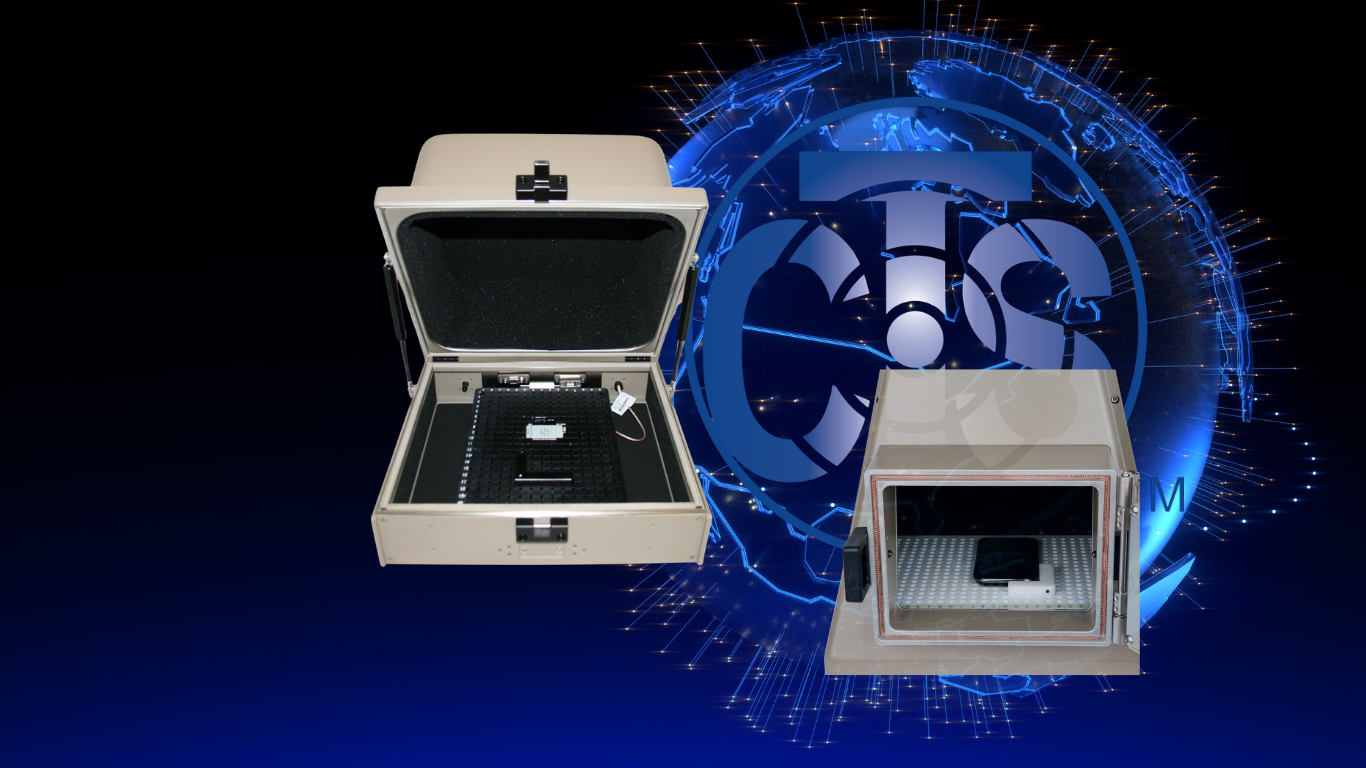
Concentric Technology Solutions (CTS) provides RF shielding and secure wireless testing solutions designed to support accurate, reliable, and controlled engineering environments. Our RF shield boxes and forensic shielding solutions help organizations reduce interference, improve testing accuracy, and maintain secure wireless isolation for critical applications.