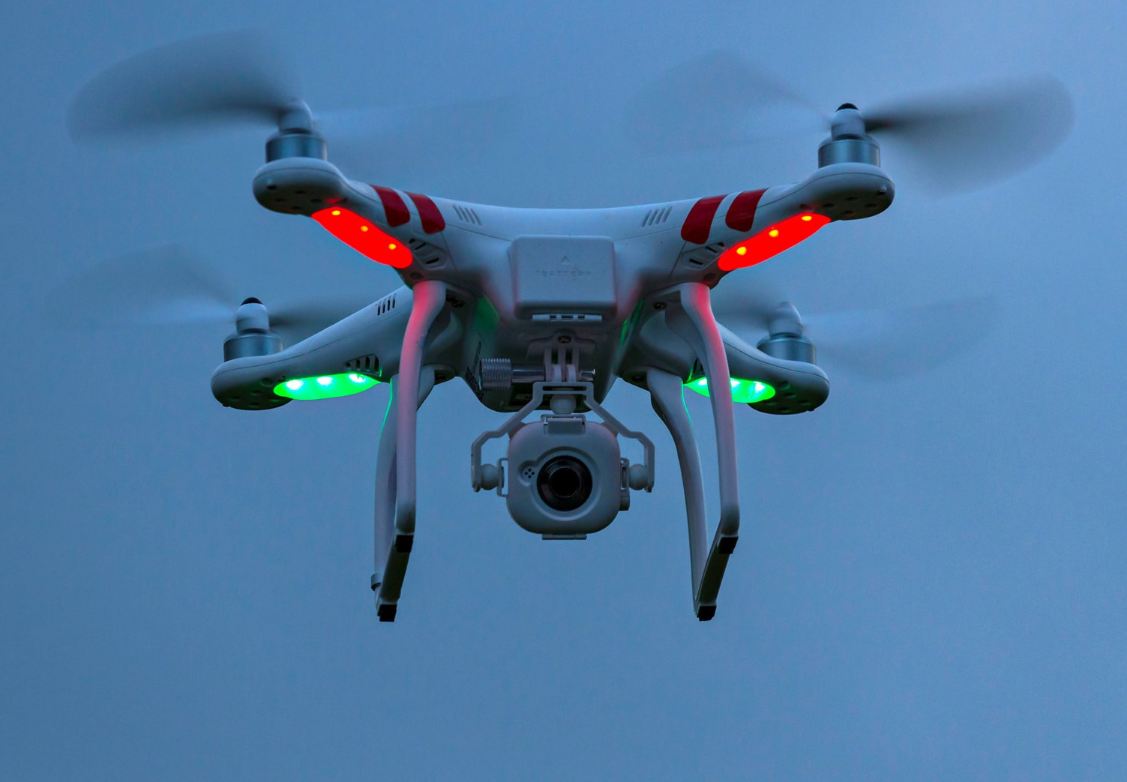
Drone Testing UAV (Unmanned Aerial Vehicle)
Drone Testing UAV (Unmanned Aerial Vehicle) requires precise and repeatable RF testing to ensure reliable wireless performance. From signal strength validation to interference testing, controlled RF environments are critical for evaluating how drones communicate in real-world conditions. That is why RF chambers and antenna couplers play a key role in modern UAV testing.
RF Chambers for Drone Testing UAV (Unmanned Aerial Vehicle)
Our RF chambers and antenna couplers are designed specifically for drone testing UAV (Unmanned Aerial Vehicle) applications. Whether you are testing small drones or larger UAV platforms, we offer both standard and custom RF shield boxes to match your testing needs.
Key Benefits of RF Chambers for Drone Testing UAV (Unmanned Aerial Vehicle)
RF chambers provide a controlled environment that supports accurate and repeatable UAV testing. Below are the key advantages.
1. Controlled RF Environment for UAV Testing
First, RF chambers block outside electromagnetic signals. As a result, drone testing UAV (Unmanned Aerial Vehicle) can be performed without interference from nearby devices or wireless networks.
2. Interference Simulation for Drone Testing
In addition, chambers allow engineers to introduce controlled interference. This helps verify how UAV communication systems perform under real-world conditions.
3. Accurate Signal Strength Measurement
By isolating the drone from external noise, RF chambers enable precise measurement of signal strength and link quality. Therefore, antenna and radio performance can be evaluated with confidence.
4. Safe RF Testing for Unmanned Aerial Vehicles
RF shield boxes act as Faraday cages, protecting nearby equipment while keeping high-powered RF testing contained. This ensures safe and secure drone testing UAV operations.
5. Repeatable UAV Test Results
Because weather and external signals are eliminated, test conditions remain consistent. As a result, UAV testing delivers repeatable and reliable data.
6. Faster UAV Development and Troubleshooting
Furthermore, a controlled RF environment makes it easier to identify issues such as signal loss or interference. This speeds up troubleshooting during drone development.
7. Regulatory Compliance for Drone Testing UAV
RF chambers support emissions and immunity testing required for compliance with industry and government standards.
8. Flexible Antenna and Frequency Testing
Finally, RF chambers allow engineers to test multiple antenna configurations, frequencies, and communication protocols used in unmanned aerial vehicle testing.
Why Choose CTS for Drone Testing UAV (Unmanned Aerial Vehicle)?
By isolating your drone from external RF variables, CTS RF chambers deliver precise and dependable drone testing UAV (Unmanned Aerial Vehicle) results. This leads to improved wireless reliability, stronger communication links, and better overall UAV performance.
👉 Explore Custom RF Shield Boxes for UAV Testing:
https://ctscorp-usa.com/product-category/shield-boxes/custom-shield-boxes/
-
FCC – Unmanned Aircraft Systems:
https://www.fcc.gov/uas -
NASA – UAV Research & Testing:
https://www.nasa.gov/aeronautics/uav -
RTCA (Aviation Standards for UAS):
https://www.rtca.org