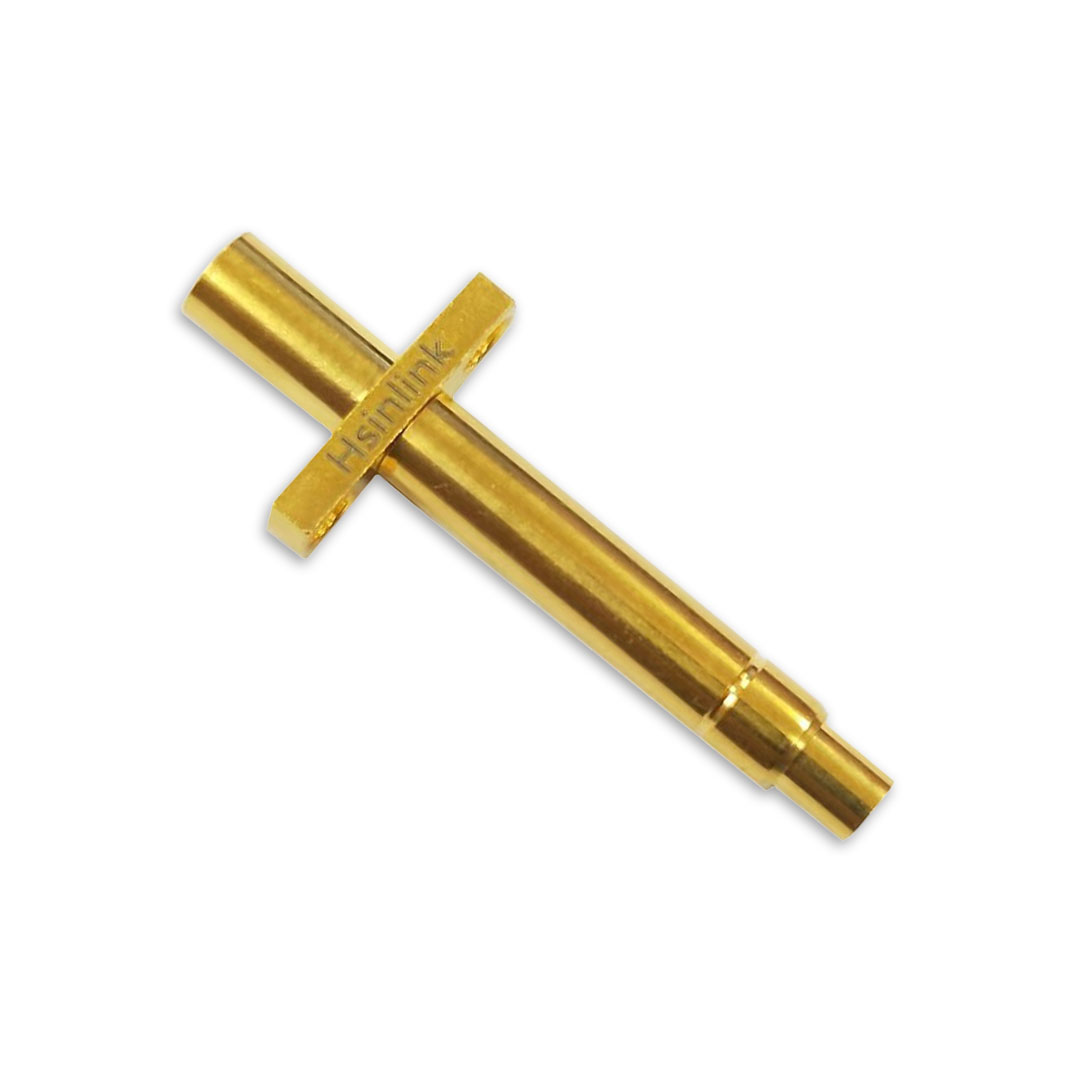
Description
The 2HK761S-001 Test Probe is a precision RF test tool designed for stable and repeatable testing of RF coax connectors. From the start, it supports accurate measurements in both lab and production environments. As a result, engineers can rely on consistent signal performance during every test cycle.
In addition, the 2HK761S-001 Test Probe works well inside RF shield boxes and test fixtures. Because it maintains proper impedance, it helps reduce measurement errors. At the same time, its low loss design preserves signal quality across the full frequency range.
Electrical Performance Overview
The 2HK761S-001 Test Probe operates from DC to 6 GHz, which makes it suitable for many RF applications. Furthermore, the probe uses a standard 50-ohm impedance, allowing it to match common RF systems easily. As a result, reflections remain low during testing.
Likewise, the probe delivers a VSWR below 1.2, ensuring efficient signal transfer. In addition, insertion loss stays at 0.5 dB or less, even at higher frequencies. Because of this, engineers can trust the probe to support accurate RF measurements.
2HK761S-001 Electrical Specifications
-
Frequency Range: DC – 6 GHz
-
Impedance: 50 Ohms
-
VSWR: < 1.2
-
Insertion Loss: 0.5 dB max (DC – 6 GHz)
-
Dielectric Withstanding Voltage: 500 Vrms
-
Insulation Resistance: 1000 Mega-Ohms
-
Center Contact Resistance: 10.0 milli-Ohms
-
Outer Contact Resistance: 6.0 milli-Ohms
Reliable RF Connector Contact
Moreover, the 2HK761S-001 Test Probe provides stable contact without damaging RF coax connectors. Because the contact remains consistent, it helps reduce false failures. Therefore, engineers spend less time troubleshooting and more time testing.
Additionally, the probe supports repeated use in high-cycle test setups. Over time, this durability improves test efficiency and lowers overall costs.
Ideal for Shielded RF Test Systems
Finally, the 2HK761S-001 Test Probe works best when paired with RF shield boxes and custom fixtures. In these controlled environments, it helps limit outside interference and improve repeatability. As a result, teams achieve cleaner, more dependable RF test results.